What Treating Stroke Hemiplegia Patients from Around the World Has Taught Me
Pooja Patil, PTA
As an international physiotherapist, I have had the privilege of working with stroke survivors from different countries, cultures, and healthcare systems.Although every patient has a unique story, one thing remains the same—recovery is possible with the right guidance, consistency, and determination.
What Is Stroke Hemiplegia?
Stroke hemiplegia is weakness or paralysis affecting one side of the body after a stroke. Depending on the area of the brain involved, a person may have difficulty walking, using an arm or hand, maintaining balance, speaking, or performing everyday activities such as dressing and eating.
My Clinical Experience
One of the most valuable lessons I have learned is that no two stroke survivors recover in the same way. Some patients regain movement quickly, while others require months of structured rehabilitation.
I remember working with a patient who was unable to stand independently during the
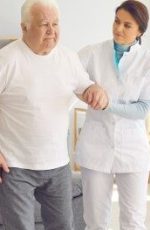
first week of therapy. We began with simple bed mobility exercises, sitting balance training, and assisted weight shifting. Progress was slow at first, but with regular
practice and family support, the patient gradually stood with assistance, took the first
few steps using a walker, and later progressed to walking short distances with improved confidence.
One of the most rewarding aspects of stroke rehabilitation is witnessing patients
achieve milestones they once thought were impossible—whether it is standing independently, taking their first steps, or using their affected arm during daily activities. These achievements are the result of teamwork between the patient, family, and rehabilitation professionals.
Experiences like these remind me that rehabilitation is not only about muscles and joints—it is also about restoring confidence, independence, and hope.
Physiotherapy Management
A personalized rehabilitation program may include:
- Positioning to prevent complications and improve comfort.
- Range-of-motion exercises to reduce stiffness.
- Strengthening exercises for the affected limbs.
- Balance and coordination training.
- Gait training with appropriate walking aids when needed.
- Functional training for activities such as sitting, standing, transferring, and climbing stairs.
- Electrical muscle stimulation to help activate weak muscles.
Treatment goals should always be tailored to the individual’s abilities and stage of recovery.
Final Thoughts
Working with stroke survivors has taught me that every small improvement matters. The first finger movement, the first independent step, or the ability to perform a daily task again can be life-changing milestones. Physiotherapy is not just about restoring movement—it is about helping people regain independence and improve their quality of life.