PHYSIOMAX HEALTH · OTTAWA
Physiomax Movement Lab
You move. We measure.
Understanding movement. Measuring progress. Supporting better outcomes.
We combine clinical expertise with objective movement measurement to better understand physical abilities and guide individualized physiotherapy.
What can we measure?
At Physiomax Movement Lab, we combine clinical assessment with advanced measurement technologies to quantify strength, balance, mobility, movement mechanics and pain sensitivity. Objective information helps guide rehabilitation, monitor progress and support informed clinical decisions.
Strength & Muscle Performance
We use digital dynamometry to measure muscle force during specific movements and positions. This helps quantify strength, compare sides and identify deficits that may not be apparent during routine manual testing.
Clinical applications: ACL rehabilitation, rotator cuff injuries, neurological weakness and return-to-activity assessment.
Balance & Postural Stability
Our dual force plates measure forces beneath the feet and track centre-of-pressure movement during standing and balance tasks. This provides information about postural sway, weight-bearing asymmetry and balance control.
Clinical applications: Fall-risk assessment, vestibular rehabilitation, neurological conditions and lower-limb recovery.
Joint Mobility & 3D Movement Analysis
We use digital inclinometers and 3D human movement tracking to measure joint angles, range of motion and movement patterns during selected tasks. These technologies help identify restrictions, compensations and changes in movement performance.
Clinical applications: Shoulder rehabilitation, spinal and lower-limb mobility, gait-related assessment and functional movement evaluation.
Power, Jumping & Landing Mechanics
Our force plates measure ground reaction forces during jumping, landing and other dynamic tasks. They allow us to examine force production, braking, propulsion and differences between limbs.
Clinical applications: ACL rehabilitation, sports injury recovery, athletic performance and return-to-sport decision support.
Pressure Pain Thresholds
We use a pressure algometer to apply gradually increasing, measured pressure at selected anatomical sites and record when pressure first becomes painful. This quantifies local mechanical pain sensitivity for comparison across sites or reassessment over time.
Clinical applications: Musculoskeletal pain assessment, localized pain sensitivity and monitoring changes during rehabilitation.
Functional Performance
By combining force plate measurements, digital strength testing and 3D movement analysis, we assess selected tasks such as sit-to-stand, squatting and single-leg balance. Repeat assessments help show how physical capabilities change with rehabilitation or training.
Clinical applications: Postoperative rehabilitation, workplace injuries, neurological rehabilitation and healthy ageing.
What does moving better mean to you?
Every person has a different goal. Explore how objective movement assessment can support yours.
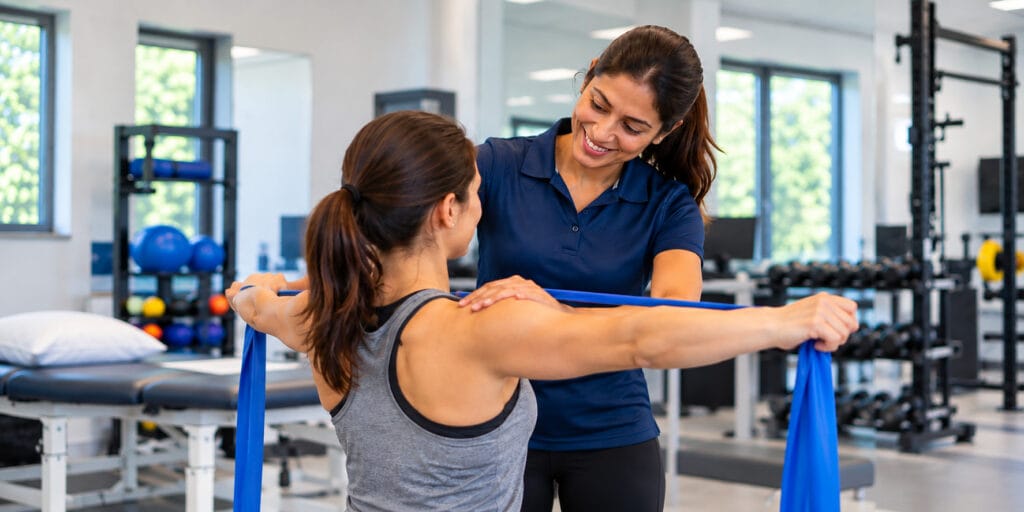
Recovery
Get back to what matters.
From injury and surgery to neurological rehabilitation, objective measures can help us understand where you are in recovery and follow changes in strength, balance and function.
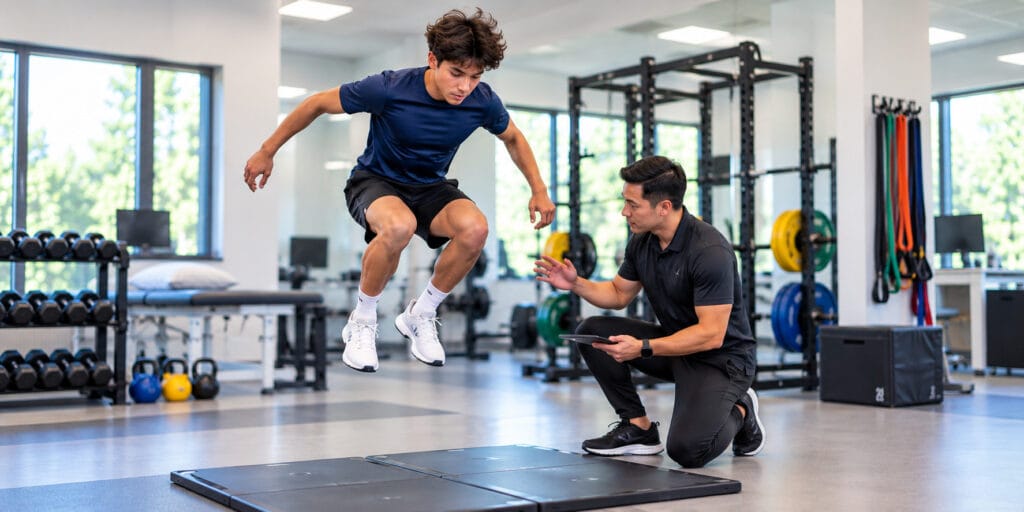
Performance
Discover what you can do.
Explore strength, power and movement control to better understand the physical demands of sport, exercise and everyday activity.
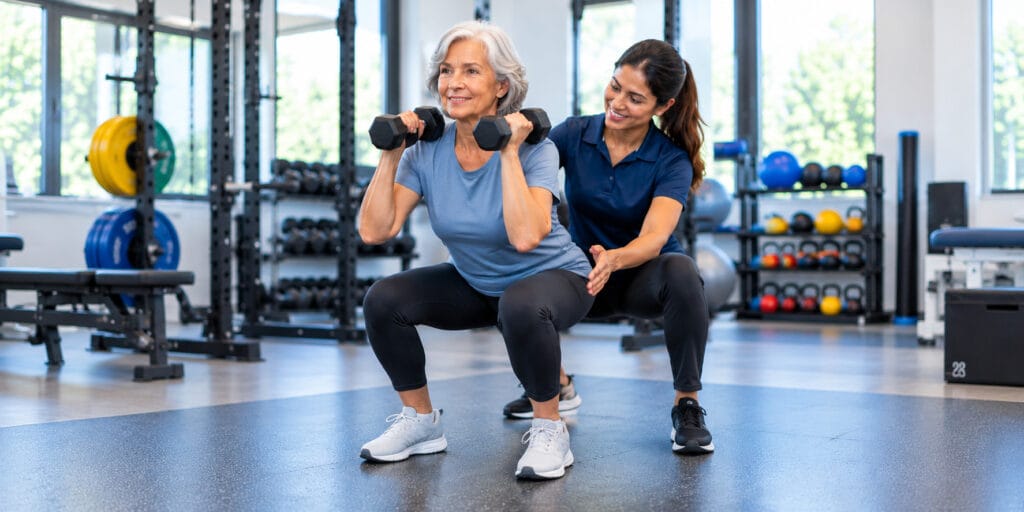
Longevity
Keep moving well as you age.
Measure balance, strength and mobility to better understand the physical abilities that support independence and participation in daily life.
Clinical expertise, supported by measurement.
Traditional clinical assessment tells us a great deal. Objective measurement adds another layer of information, helping us quantify physical capabilities, compare findings over time and make progress more visible.
These measurements are interpreted in the context of your history, examination and goals. They help inform decisions; they do not replace clinical judgment.
The difference is not simply what we measure.
It’s how we use that information to support the person behind every movement.
Your movement tells a story.
Let's understand it.
Whether your goal is recovery, performance or staying active as you age, start with an individualized assessment at Physiomax Health.